
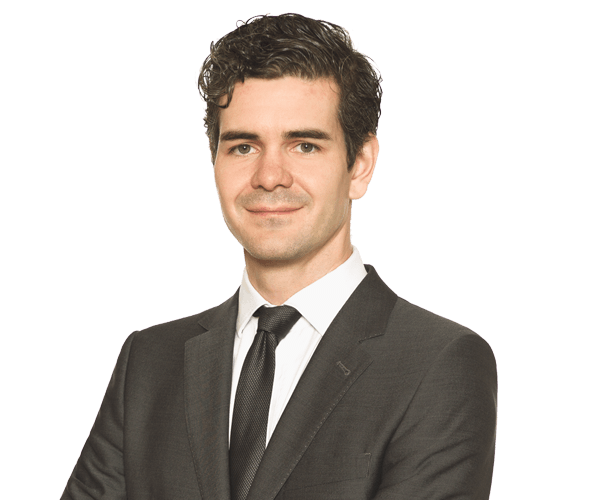
Harold Geller
Partner

Illness, separation, retirement or another life event can change what you need from your investments.
You do not have to be elderly, inexperienced or financially unsophisticated to become a vulnerable investor. Sometimes vulnerability is permanent. Sometimes it lasts only a few months. And sometimes an otherwise experienced investor becomes vulnerable because two difficult events happen at the same time. This deserves more attention than it receives.
Led by Harold Geller and Matthew W. Taylor, the Sotos Investor Protection Group assists investors in investigating losses involving financial advice, investment products and financial institutions.
Vulnerability is something broader than age or frailty. Illness, retirement, marital problems and extreme stress can all change the circumstances in which somebody makes financial decisions. A person who has comfortably accepted investment risk for many years may react very differently while:
A person’s intelligence may be unchanged even though their circumstances have changed. Life events are foreseeable in general even when their timing is not. An advisor should consider how those changes could affect a client’s risk tolerance and financial plan.
Imagine someone who has historically been comfortable with market fluctuations. Now suppose that person becomes seriously ill at exactly the same time markets fall sharply. Their attitude toward uncertainty may change dramatically.
That does not necessarily mean their previous financial plan was wrong or that their new concerns are irrational. It means risk tolerance exists in the real world. That is why knowing a client should be an ongoing process rather than an event occurring when an account is first opened.
A separating investor can suddenly face circumstances very different from those on which an investment plan was constructed. Liquidity needs may change. Assets may have to be divided. Expenses may change. The ability to absorb an investment decline may be different. Old KYC information can therefore become less useful precisely when important financial decisions have to be made.
An investor accumulating money while working may have time and employment income with which to recover from losses. A retiree may be withdrawing rather than contributing money. That distinction can materially change the consequences of investment risk. Again, age alone does not answer the question. The advisor needs to understand what the money is for and when it will be needed.
An advisor cannot know everything occurring in a client’s life. Clients therefore have a role too. If something has happened that could change your need for income, access to capital, tolerance for losses or investment objectives, tell your advisor. And advisors must create opportunities for clients to tell them. That’s not an annual confirmatory email – that’s an ongoing and meaningful dialogue. At times, the advisor must probe beyond surface responses. The recurring theme is communication.
After a significant loss, it can be important to reconstruct the circumstances existing when the advice was actually given. That includes before an Investment Policy Statement, before a trust’s mandate, and before each trade in a non-discretionary account. The questions may include:
The answers will depend upon the records and facts of the individual case. If a significant life event changed your financial circumstances and you are concerned that your investments or advice did not change with them, it may be worth reviewing what happened.
For information about our services, see elder financial abuse.
Harold Geller brings more than 30 years of investor-protection, financial-services and complex-product experience.
Matthew W. Taylor brings complex investment, securities and class action litigation experience, particularly where losses affect many investors or involve several potential defendants.
You do not have to be elderly, inexperienced or financially unsophisticated to become a vulnerable investor. Sometimes vulnerability is permanent.
An investor accumulating money while working may have time and employment income with which to recover from losses. A retiree may be withdrawing rather than contributing money. That distinction can materially change the consequences of investment risk. Again, age alone does not answer the question.
The answers will depend upon the records and facts of the individual case. If a significant life event changed your financial circumstances and you are concerned that your investments or advice did not change with them, it may be worth reviewing what happened.
Contact Harold Geller or Matthew W. Taylor directly, or request a confidential case assessment using the form below.
Partner
Senior Associate
Tell us what happened or what concerns you, who was involved and what you would like help with.
Start with what you know and the documents you have. You do not need to have every document ready before contacting us.