
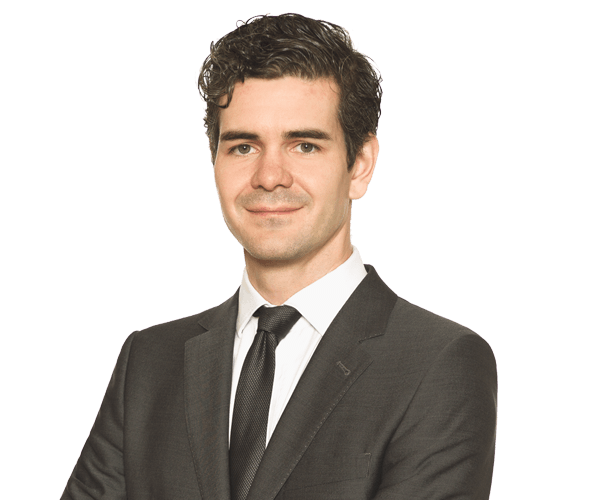
Harold Geller
Partner

A high-risk label on a form may not tell the whole story about what your advisor knew or what you agreed to.
After suffering a large investment loss, an investor sometimes discovers something surprising in the paperwork: Their KYC form says they were willing to take considerably more risk than they remember discussing.
That creates an important question. Does a box checked “high risk” end the inquiry? Not necessarily.
Led by Harold Geller and Matthew W. Taylor, the Sotos Investor Protection Group assists investors in investigating losses involving financial advice, investment products and financial institutions.
Suppose two investors both say:
“I am comfortable taking investment risk.” Investor A is 40, employed and saving money every month. Investor B is 72, retired, withdrawing money to fund living expenses and has no employment income.
The same investment loss could affect them very differently. That’s why the distinction between willingness to accept risk and the financial capacity to withstand risk deserves attention.
Risk tolerance is not risk capacity. Relevant factors include liquidity, anticipated or foreseeable withdrawals and sequence-of-return risks. Professional advisors have a duty to educate clients and assess their risk tolerance and risk capacity through appropriate due diligence.
If there is a dispute about what risk an investor agreed to take, useful evidence may extend far beyond a KYC percentage.
Ask:
The important question is not simply what the form says. It may be whether the form accurately reflects the investor the advisor actually knew.
Ask yourself:
If my advisor had told me in dollars how much this strategy could lose, what would I have said?
“$500,000” loss can mean considerably more to an investor than “20% volatility.”
Numbers on forms should correspond with the financial circumstances and objectives of the human being whose money is being invested.
If the risk description in your investment records does not look like the conversations you remember having, preserve the records and consider having them independently reviewed.
For information about our services, see unsuitable investment advice.
You can also read about investment-loss recovery options.
Harold Geller brings more than 30 years of investor-protection, financial-services and complex-product experience.
Matthew W. Taylor brings complex investment, securities and class action litigation experience, particularly where losses affect many investors or involve several potential defendants.
That creates an important question. Does a box checked “high risk” end the inquiry? Not necessarily.
The same investment loss could affect two investors very differently. That’s why the distinction between willingness to accept risk and the financial capacity to withstand risk deserves attention.
If the risk description in your investment records does not look like the conversations you remember having, preserve the records and consider having them independently reviewed.
Contact Harold Geller or Matthew W. Taylor directly, or request a confidential case assessment using the form below.
Partner
Senior Associate
Tell us what happened or what concerns you, who was involved and what you would like help with.
Start with what you know and the documents you have. You do not need to have every document ready before contacting us.